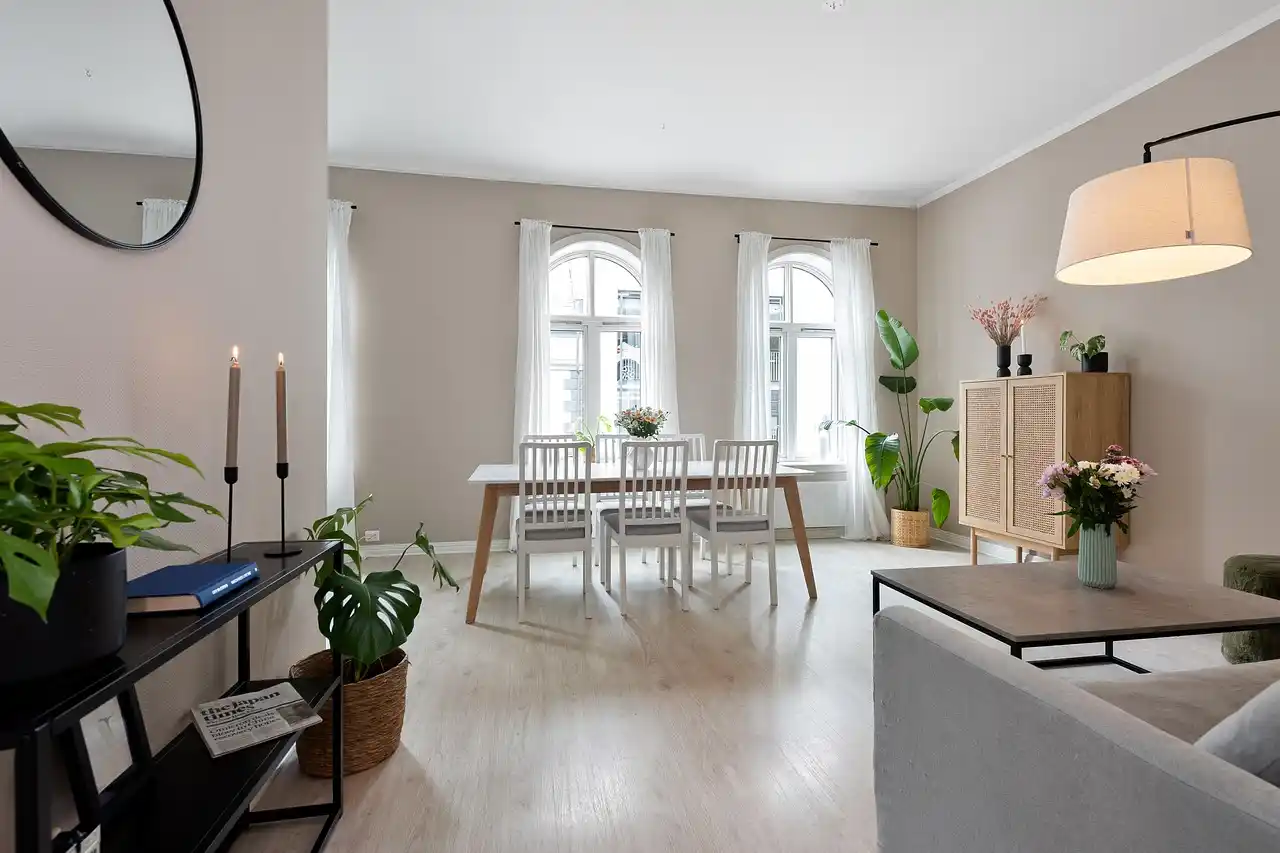
Home window tinting refers to applying a translucent film to residential glass to reduce heat gain, glare, and UV exposure while preserving visibility. When selected and installed by a qualified professional, it enhances comfort and energy efficiency without sacrificing natural light.
What is home window tinting?
Window tinting films come in varying densities and compositions designed to reject solar heat and ultraviolet radiation while keeping daylight. The most important factors are the film type, visible light transmission VLT and heat rejection performance. A well matched tint improves interior comfort and protects furnishings from fading.
Benefits of home window tinting
- Energy savings through reduced cooling loads
- UV protection that preserves carpets, furniture and artwork
- Glare reduction for comfortable reading and screen use
- Increased privacy without heavy drapes or blinds
- Safety benefits by helping hold shattered glass in place during breakage
Types of tint films
Different film types suit different budgets and performance goals. Here are common options:
| Dyed | Color pigments absorb heat; inexpensive | Good privacy, noticeable color | Prone to fading, moderate heat rejection | Budget upgrades, daytime privacy |
| Metalized | Metal particles reflect heat; strong heat rejection | Excellent glare control, durable | Can interfere with signals; may appear mirrorlike | High heat rejection needs, summer comfort |
| Ceramic | Non metallic, clear optics; high performance | Great heat rejection, no signal interference | Higher upfront cost | Premium energy savings and visibility |
| Hybrid | Combo of dyed and metal or ceramic elements | Balanced price and performance | Not as high performance as ceramic | Balanced upgrade option |
Energy savings and UV protection
Quality films can block a substantial portion of solar heat while allowing comfortable daylight. Typical films reject a sizable share of infrared heat and block up to 99 percent of UV radiation, protecting interiors from fading and reducing cooling demand where air conditioning is used heavily. The exact performance depends on the film type, tint level, and window orientation.
Installation options: DIY vs professional
DIY tint kits are available for small projects or temporary experiments. They can be cost effective but require care to avoid bubbles, edge lifting and dust under the film. Professional installation offers precise fit, a cleaner finish and a warranty. It also ensures proper edge sealing and inspection for compatibility with multi pane windows and existing spacers.
Cost considerations vary by region and project size. Film price ranges from budget to premium, and installation fees cover surface preparation, sealing and warranty. In general, professional installation reduces risk and often provides longer life and better appearance than DIY attempts.
Legal considerations and safety
Local tint laws govern permissible tint levels for front side windows and windshields. It is important to verify regulations before purchasing and installing film. Working with a licensed installer helps ensure compliance and safety, including proper handling of glass edges and film mounting techniques to minimize future failures.
Maintaining and durability
Maintenance is simple: use a soft cloth and mild soap, avoid abrasive cleaners, and park in shade when possible to reduce heat exposure during cleaning. Most films offer years of service with proper care; warranty terms will cover issues such as edge lift, bubbling or fading under specified conditions.
Choosing a reputable installer and EEAT
To meet the principles of EEAT—Expertise, Authoritativeness, and Trustworthiness—select installers with verifiable experience, a detailed portfolio, and clear references. Look for:
- Licensed or certified window film installers
- A documented track record and client testimonials
- Transparent warranties and clear terms for coverage
- Professional recommendations on film type, tint level and lifespan
Ask about the installation process, surface preparation, and post installation support. A credible installer will explain expected life, maintenance guidance and warranty coverage, which demonstrates expertise and trustworthiness.
Tint film type comparison
| Type | Key Qualities | Pros | Cons | Best Use |
| Dyed | Low cost, privacy | Affordable, improves privacy | Fades over time, moderate heat rejection | Budget upgrade |
| Metalized | High heat rejection | Excellent glare control | Can interfere with signals, visible sheen | Strong energy performance |
| Ceramic | High performance, clear | Best heat rejection, no signal issues | Higher upfront cost | Premium energy savings |
| Hybrid | Balanced option | Reasonable performance and price | Not as strong as ceramic | Balanced upgrade |
Conclusion, home window tinting is a versatile upgrade that can improve comfort, protect interiors, and lower energy use when paired with a quality film and professional installation. By understanding film types, legal considerations and the EEAT framework for selecting an installer, homeowners can make a confident, informed choice that yields long term value.